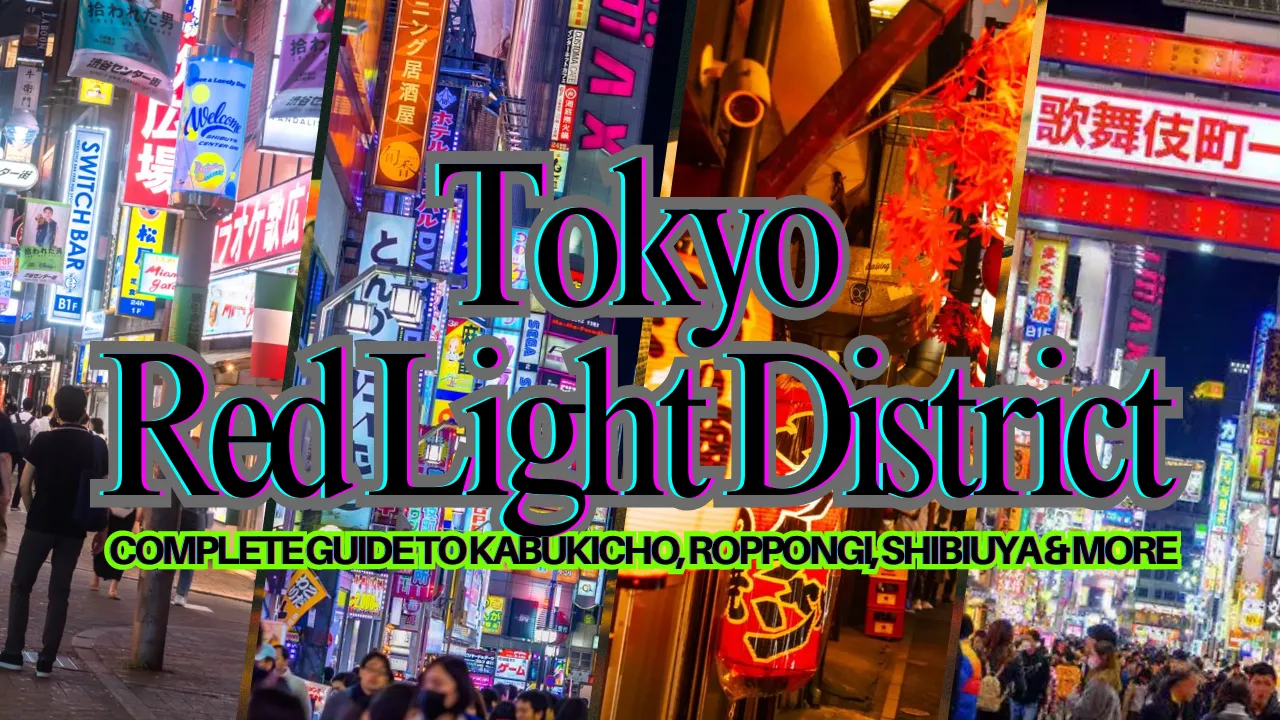
Tokyo, a sprawling metropolis where ancient traditions coexist with futuristic innovations, offers a nightlife landscape as diverse and complex as its cultural fabric. For the international traveler seeking to understand the full spectrum of its after-dark offerings, the term “Red-Light District” often conjures images of intrigue and excitement. However, in Tokyo, these areas are not merely centers of Adult Entertainment; they are multifaceted entertainment hubs, deeply woven into the city’s social and economic life. This guide provides a comprehensive and authoritative exploration of Tokyo’s red-light districts in 2026, offering a nuanced perspective for the discerning visitor.
- What Defines a Red Light District in Tokyo?
- Kabukicho (Shinjuku): Asia’s Largest Entertainment District
- Roppongi: International Entertainment Hub
- Shibuya: The Discreet Red Light Zone
- Other Red Light Districts
- Types of Entertainment Venues – Detailed Guide
- Soaplands: The Pinnacle of Personal Service
- Fashion Health and Image Clubs: SEX Escort Services
- Pink Salons: The High-Efficiency “Service Stations”
- Delivery Health-Outcall Escort: Bringing the Entertainment to Your Door
- Host Clubs: The Complete Experience
- Hostess Clubs and Cabaret Establishments
- Love Hotels: Discreet Accommodations
- Karaoke Bars and Lounges
- Nightclubs and Dance Venues
- Bars, Izakayas, and Casual Drinking Spots
- Gaming Venues (Pachinko, Arcades, Bowling)
- Dining and Culinary Experiences
- 2025-2026 Nightlife Trends and Innovations
- Legal Framework and Regulations
- Safety and Practical Considerations
- Planning Your Red Light District Experience
- Booking and Practical Information
- Conclusion: Tokyo’s Red Light District in 2026
What Defines a Red Light District in Tokyo?
In the context of Tokyo, a red-light district, or sakaba, is a designated area where a high concentration of nightlife and entertainment establishments are located. Unlike their counterparts in some other countries, these districts are not solely focused on explicit adult services. Instead, they offer a wide array of entertainment options, ranging from sophisticated host and hostess clubs to vibrant nightclubs, themed bars, and unique accommodations like love hotels. The legal framework governing these districts, primarily the Businesses Affecting Public Morals Regulation Act (Fueiho), establishes a clear distinction between various types of entertainment, ensuring that all operations are conducted within a regulated environment. This legal oversight, which has been significantly updated in recent years, means that visitors can explore these areas with a degree of confidence, provided they remain aware of the local customs and regulations.
@s.mi9726 #PR #コカコーラ 渋谷横丁で期間限定「瓶コーク横丁」イベントをコカ•コーラが開催してるということで、行ってきた✨️ 冷えた瓶コークと温かい唐揚げの相性抜群だし、レトロな雰囲気の店内が可愛かった〜🫶🏻 【イベント期間】 2025年2月17日〜3月2日 【イベント会場】 📍渋谷横丁 東京都渋谷区神宮前6丁目20-10 South 1F RAYARD MIYASHITA PARK @コカ•コーラ公式 #瓶コーク ♬ オリジナル楽曲 – FREE_BGM
@kanekihiroya 食と祭りの融合施設浅草横丁が7/1にオープン!※サンバは過激すぎたので載せてません。#浅草横丁 #浅草グルメ #浅草デート #東京グルメ #東京デート ♬ オリジナル楽曲 – 金木です。【最強スポット】 – 黒髪の金木【最強スポット】
These districts are characterized by their dazzling neon-lit streets, bustling crowds, and an atmosphere of perpetual energy. They are commercial centers that operate around the clock, earning them the moniker “the city that never sleeps.” While the primary draw for many is the adult-oriented entertainment, these areas also feature a plethora of restaurants, karaoke bars, pachinko parlors, and other attractions that cater to a broader audience. Understanding this multifaceted nature is key to appreciating the unique cultural significance of Tokyo’s red-light districts.
The Evolution of Tokyo’s Nightlife Scene in 2025-2026
The period of 2025-2026 marks a significant turning point for Tokyo’s nightlife. Driven by a confluence of technological advancements, shifting demographics, and a renewed focus on global tourism, the city’s after-dark landscape is undergoing a profound transformation. The traditional image of red-light districts is being reimagined, with a greater emphasis on immersive, high-quality experiences that blend Japanese hospitality with international trends.
One of the most notable developments is the integration of cutting-edge technology. Augmented reality (AR) and virtual reality (VR) are no longer novelties but are becoming integral components of the entertainment experience. From AR-enhanced karaoke bars to fully immersive VR clubbing platforms, technology is reshaping how patrons interact with venues and with each other. Furthermore, the rise of AI-powered systems, such as AI DJs that tailor music to the crowd’s energy, is creating more dynamic and personalized nightlife experiences.
@rahi_odekake 新感覚アトラクションがたくさん真っ赤なテーマパークVRや様々なアクティビティが楽しめる 「RED TOKYO TOWER」 チケット料金 一般 / ¥2,700~¥4,900 高校生 / ¥2,100~¥4,100 小中学生 / ¥1,200~¥2,700 日にちによって料金少し違うので詳しくはHPを要チェックや! ナイトパスポートもあったよ ロボットファイト / ¥600 1時間券 一般 / ¥2,300 高校生 / ¥1,500 小中学生 / ¥1,000 延長料金 10分ごとに¥300 アクセス 〒105-0011 東京都港区芝公園4-2-8 tokyo towerフットタウン内1F3F~5F VR乗り物酔い、画面酔いする人は気をつけてね レベル分けされてるから難易度落とした方がいいかも! 僕はレベルあげて結構酔いました #デート #お出かけ #東京タワー #tokyotower #RED #デートスポット #テーマパーク ♬ かわいいアップテンポな曲 – さんうさぎ
In addition to technological innovation, there is a growing emphasis on sustainability and responsible nightlife. Venues are increasingly adopting eco-friendly practices, and there is a greater variety of alcohol-free entertainment options, such as late-night tea houses and mocktail lounges. The legal landscape has also evolved, with the 2025 crackdown on certain host club practices leading to stricter regulations and enhanced consumer protection. This has fostered a safer and more transparent environment for both patrons and workers. As Tokyo continues to welcome a diverse international audience, its nightlife scene is adapting to offer more inclusive and globally-minded experiences, ensuring that the city remains a premier destination for after-dark entertainment in 2026 and beyond.
The Evolution of Tokyo Nightlife: Post-2025 Trends
Following the tourism surges of the mid-2020s, Tokyo’s nightlife has undergone a significant “premiumization.” Establishments in 2026 are increasingly focusing on high-quality environments, multi-language support, and transparent pricing. The digital transformation has also hit the streets; many top-tier venues now utilize sophisticated booking systems, reducing the need for street-level solicitation and enhancing the safety of the experience for foreign men.
Understanding the “Mizu Shobai” Culture
To truly appreciate the Tokyo Red Light District, one must understand the Mizu Shobai. This term encompasses the world of bars, clubs, and adult entertainment. It is built on the concept of “Omotenashi” (hospitality), where the goal is to provide an escape from the rigors of daily life. For many visitors, the primary draw is the opportunity to interact with Japanese women who are trained in the art of conversation and aesthetic grace, creating an atmosphere that is as much about psychological relaxation as it is about physical entertainment.
Why Visit Tokyo’s Red Light Districts?
For the adventurous traveler, Tokyo’s red-light districts offer a unique window into contemporary Japanese culture. These areas are not just about nightlife; they are vibrant social spaces where you can observe the interplay of tradition and modernity, witness unique forms of entertainment, and experience a side of Tokyo that is often hidden from the mainstream tourist trail. From the theatricality of the Samurai Restaurant to the intimate camaraderie of a Golden Gai bar, the experiences on offer are diverse and memorable. This guide will equip you with the knowledge and confidence to explore these fascinating districts safely and responsibly, allowing you to create your own unforgettable Tokyo story.
Kabukicho (Shinjuku): Asia’s Largest Entertainment District
Kabukicho stands as the undisputed epicenter of Tokyo’s nightlife, a sprawling, neon-drenched labyrinth that has earned the title of “Asia’s Largest Entertainment District.” Located on the east side of Shinjuku Station, the world’s busiest railway station, Kabukicho is a city within a city, a place that truly never sleeps. Its streets are a sensory overload, packed with an overwhelming density of bars, restaurants, nightclubs, host and hostess clubs, and pachinko parlors.
History, Atmosphere, and Current Status
The district’s name, which translates to “Kabuki Town,” originates from a post-World War II plan to build a large kabuki theater in the area. While the theater was never built, the name stuck, and the area instead developed into a major entertainment hub. Over the decades, Kabukicho has cultivated a reputation for being both exhilarating and dangerous, a perception reinforced by its historically high crime rate and the visible presence of yakuza. However, in recent years, significant efforts have been made to clean up the area and improve safety, making it more accessible to tourists.
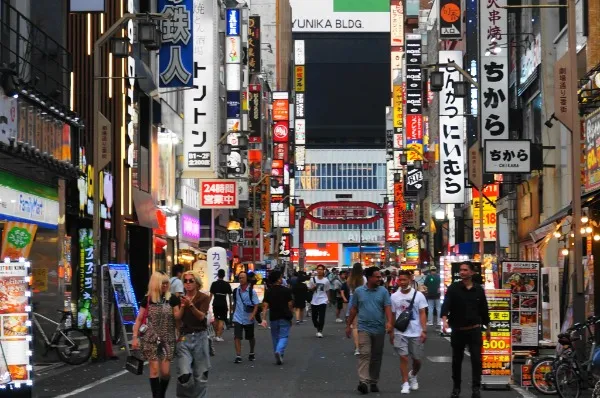
In 2026, Kabukicho remains a place of vibrant chaos and immense energy. The iconic red archway of the “Ichibangai” (First Avenue) serves as the gateway to a world of endless entertainment. While the district retains its edgy reputation, it has become a major tourist attraction. The recent addition of new landmarks, such as the Tokyu Kabukicho Tower, has further cemented its status as a premier entertainment destination, blending its traditional gritty charm with modern luxury.
High-End vs. Underground: Finding Your Rhythm
In Kabukicho, the experience can range from a $300-an-hour luxury cabaret club to a small, specialized basement bar. For the international visitor, the key is to look for venues that display “Foreigner Friendly” signs or those that have established a reputation on reputable review platforms. In 2026, the district has seen a rise in “Global Concept Bars” where staff are fluent in English and trained to bridge the cultural gap, ensuring that your night is both legal and memorable.
Table 1: Kabukicho District Overview (2026 Data)
| Category | Atmosphere | Typical Entry Cost (USD) | Recommended For |
| Cabaret Clubs (Kyabakura) | Glamorous, Social | $60 – $150 (per hr) | Group social drinking, conversation with women |
| Soaplands | Private, Premium | $200 – $500 | Intensive personal service, high-end hygiene |
| Snack Bars | Local, Intimate | $30 – $50 | Relaxed drinking, local culture |
| Concept Cafes | Playful, Niche | $20 – $40 | Specialized themes, light interaction |
Kabukicho’s Entertainment Venues and Shows
Kabukicho offers a dizzying array of entertainment options, from high-tech extravaganzas to traditional drinking alleys.
Samurai Restaurant
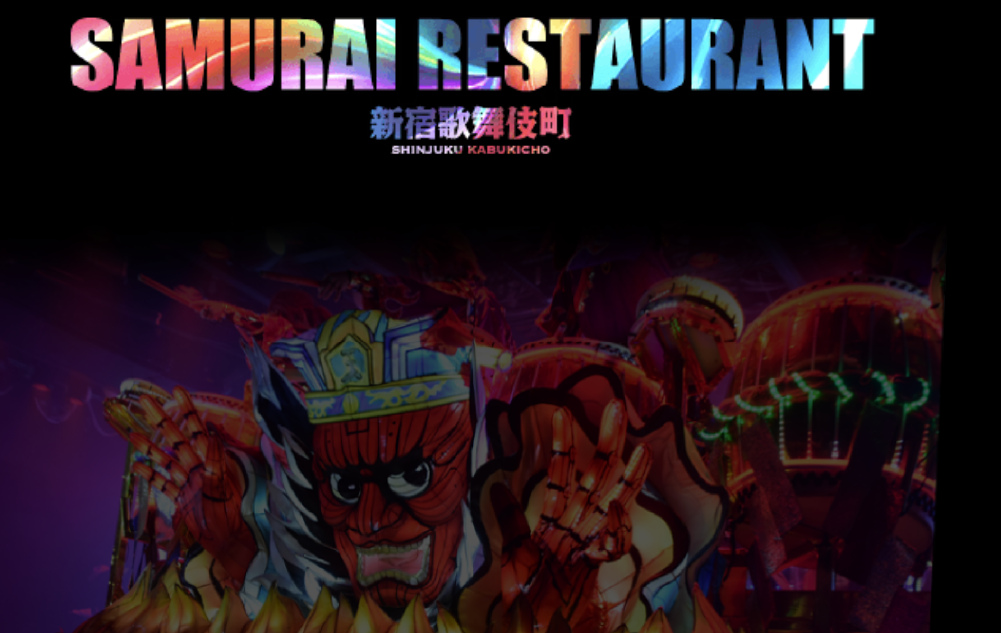
A spiritual successor to the legendary Robot Restaurant, the Samurai Restaurant opened in 2023 and has quickly become a must-see attraction. This two-hour show is a mind-bending spectacle of lasers, LED lights, dancers, and, of course, samurai. It’s a uniquely Japanese form of weird and wonderful entertainment that you won’t forget in a hurry. A light meal and drinks are included in the ticket price, which starts at around ¥7,300.
- 👉 Website: Samurai Restaurant
- 👉 X(Twitter)
Golden Gai – The Iconic Drinking Alley
Just a short walk from the main drag of Kabukicho lies Golden Gai, a preserved slice of old Tokyo. This cluster of over 200 tiny bars, packed into six narrow alleys, offers a more intimate and atmospheric drinking experience. Each bar has its own unique theme and can typically only seat a handful of patrons. While some bars have cover charges (usually around ¥500-¥1,000), many are welcoming to foreigners. It’s the perfect place for a bar-hopping adventure.
Warp Shinjuku
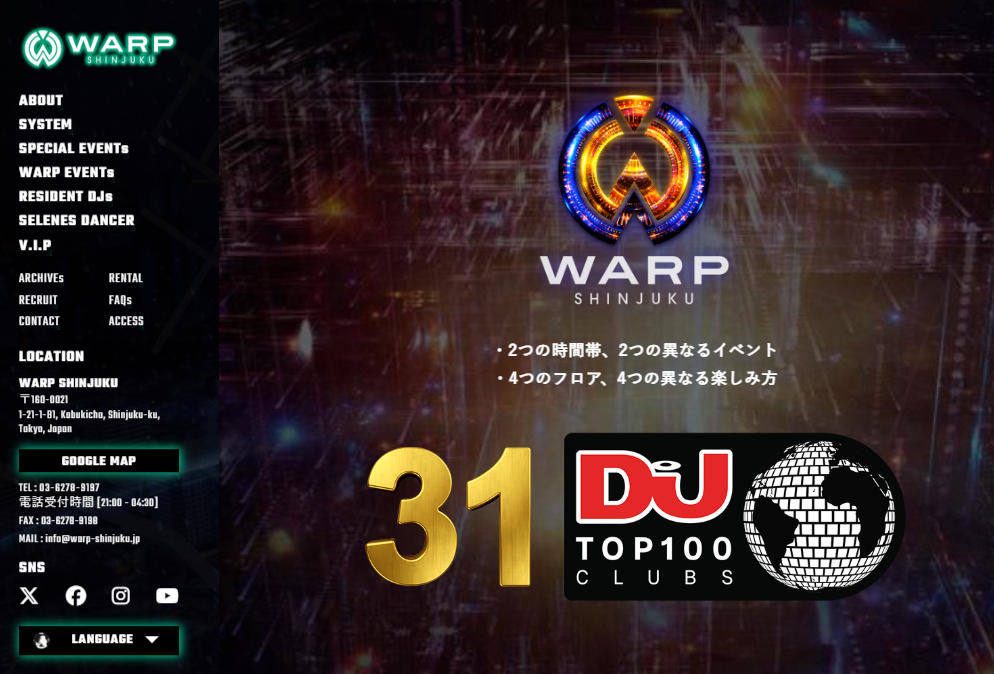
For those seeking a more conventional nightclub experience, Warp Shinjuku is one of Kabukicho’s most popular venues. With multiple floors playing different genres of music, from EDM to hip-hop, it caters to a diverse crowd. The club is known for its impressive sound and lighting systems and often hosts international DJs. VIP plans are available for those looking for a more exclusive experience.
Dining and Food in Kabukicho
Shinjuku is a food lover’s paradise, and Kabukicho is no exception. From cheap and cheerful ramen to Michelin-starred dining, there’s something for every palate and budget.
| Dining Budget | Price Range | What to Expect |
|---|---|---|
| Inexpensive | Up to ¥2,000 | Ramen, Gyudon, Standing Sushi Bars |
| Standard | ¥2,000 – ¥5,000 | Izakayas, Mid-range Restaurants, All-you-can-eat Yakiniku |
| High-End | ¥5,000 – ¥10,000 | High-end Sushi, Quality Yakiniku, Refined Japanese Cuisine |
| Ultra-High-End | ¥10,000+ | Michelin-starred Restaurants, Top-class Japanese Cuisine |
One of the best ways to experience Shinjuku’s dining scene is to take advantage of the significant price difference between lunch and dinner. Many high-end restaurants offer lunch sets for a fraction of their dinner prices, making it possible to enjoy a luxurious meal on a budget.
Activities and Entertainment in Kabukicho
Beyond the bars and restaurants, Kabukicho is packed with a wide variety of activities to keep you entertained.
- Gaming and Arcades: Numerous arcades offer everything from classic video games to the latest VR experiences.
- Kabukicho Tower (2023): This new landmark features a game center, an escape room called “The Tokyo Matrix,” a food hall, and a live music venue.
- Batting Centers: Test your baseball skills at one of Kabukicho’s two batting centers, the Shinjuku Batting Center or the Oslo Batting Center.
- Pachinko Parlors: Experience the noisy and colorful world of pachinko, Japan’s unique form of pinball-like gambling.
- Bowling: Several bowling alleys offer a more conventional form of entertainment.
- Thermae-Yu: This 24-hour hot spring facility is the perfect place to relax and unwind after a long night of exploring. It features multiple baths, saunas, a massage service, and a restaurant.
- Unique Experiences: For something a little different, you can try a ninja experience, or test your wits at an escape room like the Tokyo Mystery Circus.
Shopping and Sightseeing
- Don Quijote: This massive discount store is a one-stop shop for everything from souvenirs and snacks to electronics and cosmetics.
- Godzilla Statue: The iconic Godzilla head peering over the Hotel Gracery is a must-see photo spot.
- Hanazono Shrine: This historic shrine offers a peaceful oasis amidst the chaos of Kabukicho. It hosts a lively flea market on Sundays.
Kabukicho Nightlife Tours and Experiences
For first-time visitors, navigating Kabukicho can be daunting. A guided tour is an excellent way to experience the best of the district safely. Options include bar-hopping tours through Golden Gai and foodie tours that introduce you to the best local eateries. Some tours even explore the filming locations of the popular TV series “Tokyo Vice.“
Roppongi: International Entertainment Hub
Roppongi offers a distinctly different flavor of nightlife, one that is more cosmopolitan and geared towards an international clientele. Historically known for its wild party scene and sometimes-seedy reputation, Roppongi has undergone a significant transformation over the past two decades. The development of major complexes like Roppongi Hills and Tokyo Midtown has infused the area with a sense of sophistication, attracting a mix of expatriates, tourists, and affluent locals.
Transformation and Modern Appeal (2025-2026)
The Roppongi of 2026 is a tale of two cities. By day, it is a center for business, art, and luxury shopping. By night, it transforms into a vibrant entertainment district. While it still boasts a high concentration of nightclubs and bars, the atmosphere is generally more upscale and less chaotic than Kabukicho. The area is particularly popular for its world-class art galleries, fine dining restaurants, and stylish cocktail lounges.
The Sophistication of Roppongi’s “Lounge” Culture
A major trend in 2026 is the rise of the “Membership Lounge.” Unlike the traditional Kyabakura, these venues offer a more relaxed, “private party” atmosphere. The women here are often multi-lingual and possess a high degree of international savvy, making them ideal companions for business travelers or those who prefer intellectual stimulation alongside visual allure. These establishments typically operate on a higher price point but offer a level of discretion and comfort that is unparalleled in other districts.
Roppongi’s Nightlife Zones
Roppongi’s nightlife is concentrated in several distinct zones, each with its own character:
- Northern Roppongi Downtown: Centered around Gaien Higashi Street and the Don Quijote store, this area is known for its international bars. However, it is also notorious for its aggressive touts, so caution is advised.
- Southern Roppongi Downtown: This is the heart of Roppongi’s club scene, home to famous venues like V2 Tokyo and Esprit. It’s the most active and energetic part of the district.
- Across Midtown: This area offers a quieter, more sophisticated atmosphere, with a high concentration of small, fancy bars and restaurants tucked away in its back alleys.
- Nishi-Azabu: A short walk from Roppongi Crossing, Nishi-Azabu is a luxury zone known for its fine dining restaurants and upscale bars. It’s a popular haunt for Japanese celebrities and politicians.
Best Night Clubs in Roppongi
Roppongi is synonymous with clubbing, and it boasts some of Tokyo’s most famous venues.
V2 Tokyo
@v2tokyo_official_ これがV2TOKYOの熱気🔥🔥 @Sound Rush #soundrush #v2tokyo #nightclub #roppongi #fes #エンタメ ♬ オリジナル楽曲 – V2 TOKYO【公式】
@v2tokyo_official_ V2で踊り狂う女性 逆ナンリアルマッチング! #恋愛 #マッチング #ナイトクラブ #インタビュー #おすすめ ♬ オリジナル楽曲 – V2 TOKYO【公式】
Located high above the ground with a stunning 360-degree panoramic view of the city, V2 Tokyo is arguably Roppongi’s most popular nightclub. It’s known for its luxurious interior, international crowd, and frequent celebrity sightings (Justin Bieber and One Direction have partied here). Expect a long wait on weekends. The entrance fee for men is typically around ¥3,000-¥4,000, which includes a drink ticket.
👉 Website: V2 TOKYO – 六本木最大級のナイトクラブ
Bars, Lounges, and Fine Dining
Beyond the major clubs, Roppongi offers a wide range of drinking and dining options:
- International Bars: Roppongi is famous for its “gaijin bars” (bars catering to foreigners), which offer a welcoming atmosphere for international visitors.
- Jazz Bars and Cocktail Lounges: For a more sophisticated evening, Roppongi has a number of intimate jazz bars and stylish cocktail lounges, where you can enjoy live music and expertly crafted drinks.
- Fine Dining: The area is home to a number of world-class restaurants, offering everything from traditional Japanese cuisine to international fine dining.
Pricing and Customer Demographics
Roppongi’s nightlife is generally more expensive than other districts. The crowd is typically more mature and affluent than in Shibuya, with a mix of wealthy businesspeople, expatriates, and tourists in their mid-20s to 30s.
Music Genres and Atmosphere
The music scene in Roppongi is diverse, with clubs and bars catering to a wide range of tastes, including Hip-Hop, R&B, Reggae, and EDM. The atmosphere is generally more upscale and cosmopolitan than in Kabukicho, with a focus on providing a high-quality nightlife experience.
Shibuya: The Discreet Red Light Zone
While Shibuya is world-famous for its iconic scramble crossing and as a center of youth fashion and culture, it also has a more discreet side to its nightlife. Tucked away behind the main streets, you’ll find Maruyamacho, Shibuya’s primary red-light district.
Maruyamacho – “Love Hotel Hill”
Maruyamacho is affectionately known as “Love Hotel Hill” due to its high concentration of love hotels. Unlike the overt and sprawling nature of Kabukicho, Maruyamacho is more discreet, its narrow, winding streets lined with a variety of uniquely themed love hotels. These establishments are a key part of the district’s identity and offer a different kind of nightlife experience.
Nightlife and Entertainment Options
While love hotels are the main attraction, Maruyamacho also features a number of small, intimate bars and clubs. The atmosphere is generally quieter and less overwhelming than in Kabukicho or Roppongi, making it a good option for those seeking a more low-key night out. The area is also home to several live music venues and theaters, reflecting Shibuya’s broader cultural scene.
👉 4 Popular escort agencies

Atmosphere and Visitor Experience
The vibe in Maruyamacho is more clandestine and less tourist-oriented than in the major red-light districts. It’s a place where you can get a glimpse into a more hidden aspect of Tokyo’s after-dark culture. While it’s generally safe, it’s always wise to be aware of your surroundings, especially late at night.
Other Red Light Districts
Beyond the “big three” of Kabukicho, Roppongi, and Shibuya, Tokyo has several other notable red-light districts, each with its own unique character.
| District | Primary Vibe | Service Speciality | English Accessibility |
| Kabukicho | High Energy, Varied | Kyabakura, Hostess Bars | High (in designated areas) |
| Roppongi | International, Luxury | Membership Lounges, Clubs | Very High |
| Yoshiwara | Historic, Formal | Premium Soaplands | Moderate (Increasing) |
| Ikebukuro | Local, Direct | Fashion Health, Pink Salons | Low to Moderate |
| Shibuya | Trendy, Discreet | Delivery Health, Image Clubs | Moderate |
Ikebukuro (North Side)
While the east side of Ikebukuro Station is a major commercial and shopping area, the north side (Kita-guchi) has a reputation as a red-light district with a concentration of nightlife spots, including hostess clubs, love hotels, and other adult-oriented businesses. It caters to a more local clientele than the major districts.
Yoshiwara: The Historic Heart of Premium Services
To understand the Tokyo Red Light District, one must acknowledge Yoshiwara. Located in the Taito ward, this area is steeped in centuries of history, dating back to the Edo period. Today, Yoshiwara is the world’s premier destination for “Soaplands“—the highest tier of physical Adult Sex Entertainment in Japan.

The Exclusive Nature of the Yoshiwara District In 2026, Yoshiwara remains a specialized enclave. Unlike the neon-soaked streets of Shinjuku, Yoshiwara is relatively quiet, characterized by grand, castle-like buildings that house elite establishments. The service here is defined by “Total Hospitality,” where a single hostess provides a comprehensive suite of services including bathing, massage, and intimate company.
Navigating the Foreigner Policy in Yoshiwara Historically, many Yoshiwara Soaplands were “Japanese Only.” However, 2026 marks a significant shift. A growing number of top-tier houses have introduced “International Wings” or dedicated staff for English-speaking guests. This change is driven by a desire to professionalize the industry and cater to the high-net-worth individuals visiting Tokyo. Prices in Yoshiwara are the highest in the city, reflecting the premium nature of the facilities and the expertise of the staff.
Shin-Okubo (Tokyo’s Korea Town)
Located within Tokyo’s vibrant Korea Town, parts of Hyakunincho in Shin-Okubo have a reputation for being less safe at night. However, the area is also famous for its Korean restaurants, K-pop culture, and a variety of entertainment venues, including bars and karaoke.
Akabane (East Side)
Situated in northern Tokyo, the east side of Akabane Station is a local red-light district that offers a more traditional and less tourist-oriented atmosphere. It’s known for its narrow alleys filled with old-fashioned izakayas and snack bars, providing a glimpse into the Showa-era nightlife.
Uguisudani (Ueno)
Just north of the culturally rich Ueno area, Uguisudani is known for its high density of love hotels, similar to Shibuya’s Maruyamacho. It’s a more discreet and less chaotic area than the major red-light districts, catering primarily to a local clientele.
Types of Entertainment Venues – Detailed Guide
Tokyo’s red-light districts are home to a diverse ecosystem of entertainment venues, each offering a unique experience. From the sophisticated companionship of host clubs to the discreet privacy of love hotels, understanding the different types of establishments is crucial for any visitor. This section provides an authoritative guide to the primary categories of entertainment venues you will encounter in 2026.
Soaplands: The Pinnacle of Personal Service
Soaplands are the only establishments where full physical intimacy is legally navigated within the framework of “private bathing.” In 2026, these venues are subject to rigorous health and safety inspections. A typical session lasts between 60 to 120 minutes and includes a ritualistic bathing process on a “matsuro” (rubber mat) followed by private time. The quality of the interior design in 2026 Soaplands often rivals 5-star hotels, emphasizing the “Premium Escape” aspect.
Fashion Health and Image Clubs: SEX Escort Services

“Fashion Health” is a broad category encompassing various forms of non-penetrative adult entertainment. These include massage-based services and “Image Clubs” (Ime-kura), where the rooms are designed to mimic specific settings—such as a doctor’s office, a classroom, or a Japanese train. For the international visitor, Image Clubs offer a fascinating look into the specific aesthetic and cultural fantasies prevalent in Japanese society.
Pink Salons: The High-Efficiency “Service Stations”
Often referred to as “Pin-Salo,” these establishments are a staple of areas like Kabukicho and Ikebukuro. In 2026, the industry has shifted toward higher hygiene standards and transparent, all-inclusive pricing to attract a more diverse clientele. A Pink Salon typically offers a brief period of conversation followed by oral services. The primary appeal here is the “No-Wait” policy and the relatively low entry cost (usually ranging from $40 to $80). While these venues are often fast-paced, they provide a quintessential “salaryman” experience of Tokyo’s nightlife—efficient, functional, and deeply embedded in the local culture.
Delivery Health-Outcall Escort: Bringing the Entertainment to Your Door
“Deli-Heal” (Delivery Health) is the dispatch service of the Japanese adult industry. Instead of visiting a physical storefront, the hostess is sent to your hotel room or a designated “fashion hotel.” In 2026, this sector has seen the most significant technological leap. Most reputable agencies now feature high-resolution video profiles and real-time availability tracking via mobile apps. For the international guest, Delivery Health offers the ultimate in privacy and convenience. However, it is crucial to ensure your hotel allows outside visitors; while most “Business Hotels” and “Love Hotels” are compliant, high-end international luxury hotels often have strict “No-Visitor” policies for guest rooms to ensure security.
Host Clubs: The Complete Experience
Host clubs are a quintessential element of Japanese nightlife, particularly in districts like Kabukicho. These establishments employ male hosts whose primary role is to provide engaging conversation, companionship, and attentive service to female patrons. The culture of host clubs is complex and often misunderstood, representing a unique form of paid companionship that is deeply ingrained in Japanese society.
How Host Clubs Operate (Shimei System)
A first-time visit to a host club typically involves a “shimei” system. Patrons are introduced to several hosts and then select one to be their designated companion for the evening and for subsequent visits. This creates a sense of loyalty and personal connection, which is a key aspect of the host club experience. The host’s job is to make the customer feel special and adored, providing a form of escapism and fantasy.
Pricing and Cost Breakdown
The cost of a host club experience can vary significantly. A typical entry fee, or “set charge,” might start around ¥13,000 for a two-hour session. However, the majority of the revenue is generated from the sale of drinks, which are priced at a premium. A simple beer can cost upwards of ¥1,500, while high-end champagne bottles can run into the thousands of dollars. The purchase of expensive drinks is often accompanied by a “champagne call,” a celebratory performance by the host and his colleagues.
What to Expect During Your Visit
Upon entering a host club, you will be seated at a table and introduced to a number of hosts. After you have made your “shimei,” your chosen host will join you at your table and engage you in conversation. He will pour your drinks, light your cigarettes (if you smoke), and generally cater to your every need. The atmosphere is typically lively and glamorous, with loud music and dazzling interiors.
Host Ranking System and Culture
Competition among hosts is fierce, and their success is measured by a public ranking system based on their monthly sales. The top-ranking hosts are often celebrated as celebrities within the industry, their faces adorning large billboards in the district. This ranking system creates a competitive environment and can be a source of both pride and pressure for the hosts.
Language Support and English Guides
While many host clubs primarily cater to a Japanese-speaking clientele, the increasing number of foreign tourists has led to a rise in clubs with English-speaking hosts. For those who want to ensure a smooth and enjoyable experience, it is also possible to hire an English-speaking guide who can accompany you to a host club and act as a translator.
The year 2025 marked a significant development in the regulation of the host club industry. In response to growing concerns about exploitative practices, such as excessive debt accumulation by patrons, the Japanese government passed new legislation to tighten oversight of these establishments. Host clubs are now officially classified as “adult entertainment establishments” under the Fueiho, subjecting them to stricter scrutiny and new rules aimed at preventing financial exploitation. This crackdown has led to a more transparent and regulated environment, offering greater protection for consumers.
Hostess Clubs and Cabaret Establishments
Hostess clubs, or kyabakura, are the female-led counterparts to host clubs. They operate on a similar model, with female hostesses providing conversation and companionship to a predominantly male clientele. These establishments range from casual “girls’ bars,” where the interaction is more informal, to high-end clubs that cater to a wealthy corporate clientele. Cabaret clubs, a more traditional form of entertainment, often feature dance performances and live shows in addition to hostess services.
Love Hotels: Discreet Accommodations

Love hotels are a ubiquitous feature of Tokyo’s red-light districts and serve as short-stay accommodations offering a high degree of privacy and discretion. These establishments are not just for romantic encounters but are also used by couples seeking a private space away from home, or even by travelers looking for a unique and often budget-friendly lodging option.
| Feature | Description |
|---|---|
| Pricing Models | “Rest” rate (2-3 hours) and “Stay” rate (overnight) |
| Room Themes | Elaborate themes, from fantasy suites to replicas of real-world locations |
| Amenities | Jacuzzi baths, karaoke machines, extensive room service, adult products |
| Booking | Often no reservation needed; choose a room from a touchscreen panel |
Karaoke Bars and Lounges
Karaoke is a national pastime in Japan, and Tokyo’s red-light districts are packed with karaoke bars and lounges. From large chains like Karaoke Kan and Big Echo to small, independent bars, there are endless options for singing the night away. Prices are typically charged per person, per hour, and often include a drink order.
Nightclubs and Dance Venues
Tokyo’s nightclubs are world-class, featuring international DJs, impressive sound systems, and a diverse range of music genres. From the mega-clubs of Roppongi to the more intimate venues in Shibuya, there’s a club for every taste. Be prepared to pay a cover charge (usually ¥2,000-¥4,000) and adhere to a dress code (no sandals or shorts).
Bars, Izakayas, and Casual Drinking Spots
For a more relaxed evening, Tokyo’s red-light districts offer a vast array of bars and izakayas. Izakayas are Japanese-style pubs that serve a variety of small dishes alongside alcoholic drinks. They are a great place to experience local culture and enjoy a casual meal. Themed bars, from ninja-themed bars to prison-themed bars, offer a more unique and immersive experience.
Gaming Venues (Pachinko, Arcades, Bowling)
For those seeking a different kind of thrill, Tokyo’s red-light districts are home to a variety of gaming venues. Pachinko parlors are a uniquely Japanese phenomenon, offering a noisy and colorful form of pinball-like gambling. Arcades are packed with the latest video games and VR experiences, while bowling alleys offer a more conventional form of entertainment.
Dining and Culinary Experiences
Tokyo’s red-light districts are not just about nightlife; they are also culinary hotspots, offering a vast array of dining options to suit every taste and budget. From quick and satisfying bowls of ramen to luxurious multi-course meals, the food scene is as diverse and exciting as the entertainment.
Shinjuku/Kabukicho Dining Scene
Shinjuku, and by extension Kabukicho, is a microcosm of Tokyo’s entire culinary landscape. The area is packed with thousands of restaurants, offering an almost overwhelming selection of Japanese and international cuisine.
- Ramen Shops and Quick Bites: For a quick, delicious, and affordable meal, ramen is a classic choice. Shinjuku is home to some of Tokyo’s most famous ramen shops, many of which are open late, making them the perfect post-drinking snack.
- Yakiniku (Japanese BBQ): Yakiniku restaurants are a popular choice for groups and offer a fun, interactive dining experience. From all-you-can-eat establishments to high-end restaurants serving premium wagyu beef, there’s a yakiniku option for every budget.
- Sushi and Seafood: No trip to Japan is complete without trying the sushi. Shinjuku offers a wide range of sushi experiences, from casual standing sushi bars to exclusive, high-end restaurants where master chefs prepare exquisite creations.
- Wagyu Beef Dining: For a truly luxurious dining experience, indulge in a wagyu beef meal. Shinjuku has a number of restaurants specializing in this world-renowned, melt-in-your-mouth beef.
- Fusion and International Cuisine: In addition to traditional Japanese food, Shinjuku also offers a wide variety of international cuisine, from Korean and Chinese to Italian and French.
Restaurant Pricing Guide by Budget
As a general guide, you can expect to pay the following for a meal in Shinjuku/Kabukicho:
| Budget | Price Range | What to Expect |
|---|---|---|
| Inexpensive | Up to ¥2,000 | Ramen, Gyudon, Standing Sushi Bars |
| Standard | ¥2,000 – ¥5,000 | Izakayas, Mid-range Restaurants, All-you-can-eat Yakiniku |
| High-End | ¥5,000 – ¥10,000 | High-end Sushi, Quality Yakiniku, Refined Japanese Cuisine |
| Ultra-High-End | ¥10,000+ | Michelin-starred Restaurants, Top-class Japanese Cuisine |
Lunch vs. Dinner Pricing Advantages
One of the best-kept secrets of Tokyo’s dining scene is the significant price difference between lunch and dinner. Many high-end restaurants offer lunch sets for a fraction of their dinner prices, making it possible to enjoy a luxurious meal on a budget. This is a great way to experience some of the city’s best restaurants without breaking the bank.
Guided Food Tours and Experiences
For those who want to delve deeper into Tokyo’s food culture, a guided food tour is an excellent option. These tours, led by local experts, can take you to hidden gems that you might not find on your own. Options include bar-hopping tours through Golden Gai, ramen tasting tours, and market tours.
Late-Night Dining Options
Given that the red-light districts are active until the early hours of the morning, it’s no surprise that there are plenty of late-night dining options available. Many ramen shops, izakayas, and fast-food chains are open 24/7, ensuring that you can always find something to eat, no matter how late it is.
2025-2026 Nightlife Trends and Innovations
The nightlife scene in Tokyo is in a constant state of flux, driven by technological innovation, evolving social norms, and global cultural exchange. The period of 2025-2026 is particularly dynamic, with several key trends reshaping the after-dark experience. For visitors, understanding these trends is key to appreciating the modern, forward-thinking nature of Tokyo’s entertainment landscape.
Technology Integration
Tokyo’s reputation as a technological powerhouse extends deep into its nightlife. In 2026, technology is not just an accessory but a core component of the entertainment experience, creating more immersive, interactive, and personalized environments.
- AR and VR Experiences: Augmented Reality (AR) and Virtual Reality (VR) have moved from the realm of novelty to mainstream application. AR is being used to enhance physical spaces, with bars and clubs overlaying digital information and interactive visuals onto the real world. VR, on the other hand, is creating entirely new social spaces. Virtual clubbing platforms allow users to experience a digital recreation of famous Tokyo nightlife districts from the comfort of their own homes, complete with live DJ sets and social interaction.
- AI-Powered Entertainment: Artificial Intelligence (AI) is also playing a significant role. AI DJs are becoming increasingly common, using machine learning algorithms to analyze the mood of the crowd and curate playlists in real-time. Holographic performances are another futuristic innovation, allowing artists to appear in multiple venues simultaneously, blurring the lines between live and virtual entertainment.
Sustainability and Eco-Friendly Venues
In line with global trends, there is a growing emphasis on sustainability within Tokyo’s nightlife industry. Venues are increasingly adopting eco-friendly practices, such as using LED lighting, reducing single-use plastics, and sourcing ingredients for cocktails and food menus from local producers. This commitment to sustainability is not just an ethical choice but also a selling point, appealing to a more conscious generation of consumers.
Global Influences and Cultural Fusion
Tokyo’s nightlife has always been a melting pot of cultures, but in 2026, this fusion is more pronounced than ever. The city is a hub for international DJs, artists, and mixologists, who bring their unique styles and influences to the local scene. This has led to the rise of hybrid venues that blend different cultural elements, creating a truly global nightlife experience. From bars that specialize in rare international spirits to clubs that host themed nights dedicated to different musical genres from around the world, the options are more diverse than ever.
Demographic Shifts and Venue Evolution
Japan’s changing demographics, particularly its aging population and declining birth rate, are also having a profound impact on the nightlife industry. With a smaller youth cohort, there is a greater demand for high-quality, sophisticated experiences over mass-market clubs. This has led to a boom in intimate cocktail bars, where master mixologists craft artisanal drinks, and underground vinyl lounges that cater to discerning music lovers. At the same time, the influx of international tourists and residents is creating a demand for more inclusive and accessible venues, with multilingual staff and a welcoming atmosphere for visitors from all backgrounds.
New Venues and Openings (2025-2026)
The nightlife scene is constantly evolving, with new venues opening all the time. Keep an eye out for the latest hotspots and pop-up events to experience the cutting edge of Tokyo’s nightlife.
Legal Framework and Regulations
Navigating Tokyo’s red-light districts requires an understanding of the legal landscape that governs them. Japan has a comprehensive and strictly enforced legal framework for its adult entertainment industry, designed to maintain public order and protect both patrons and workers. For international visitors, a basic knowledge of these regulations is essential for a safe and trouble-free experience.
Adult Entertainment Business Law (Fueiho)
The primary piece of legislation governing nightlife and entertainment venues in Japan is the Businesses Affecting Public Morals Regulation Act, commonly known as Fueiho. This law categorizes various types of businesses, from nightclubs and dance halls to host clubs and pachinko parlors, and sets specific rules for their operation. These regulations cover aspects such as business hours, age restrictions, and the types of services that can be offered. The law is designed to draw a clear line between legal entertainment and illegal activities, and its strict enforcement is a key reason why Japan’s red-light districts, despite their reputation, are generally orderly.
2025 Host Club Regulations and Crackdowns
The year 2025 marked a significant development in the regulation of the host club industry. In response to growing concerns about exploitative practices, such as excessive debt accumulation by patrons, the Japanese government passed new legislation to tighten oversight of these establishments. Host clubs are now officially classified as “adult entertainment establishments” under the Fueiho, subjecting them to stricter scrutiny and new rules aimed at preventing financial exploitation. This crackdown has led to a more transparent and regulated environment, offering greater protection for consumers.
Age Restrictions and Legal Requirements
Japan has a strict nationwide minimum age of 20 for the consumption of alcohol and tobacco. All entertainment venues are required to verify the age of their patrons, and it is common for establishments to ask for identification. For international visitors, a passport is the most reliable form of ID. The legal age to enter most adult entertainment venues is 18, but the age for consuming alcohol remains 20. Attempting to enter a venue or purchase alcohol underage can result in serious consequences for both the individual and the establishment.
Safety Standards and Consumer Protection
The legal framework in Japan places a strong emphasis on consumer protection. The recent regulations targeting host clubs are a clear example of this. The law prohibits deceptive practices, such as exorbitant and undisclosed charges, and provides legal recourse for patrons who have been exploited. While the system is not perfect, it provides a level of safety and accountability that is often not found in similar districts in other parts of the world. Visitors who feel they have been treated unfairly have the right to contact the police, and there are consumer protection agencies that can provide assistance.
What Changed in 2025?
The key changes in 2025 were the reclassification of host clubs as “adult entertainment establishments” and the introduction of stricter rules to prevent financial exploitation. This has led to increased transparency in pricing and a greater focus on responsible business practices.
Safety and Practical Considerations
While Tokyo is renowned for its overall safety, its red-light districts present a unique set of challenges and risks that visitors should be aware of. A proactive and informed approach to personal safety is crucial for a positive and enjoyable experience. This section provides authoritative guidance on navigating these areas responsibly and avoiding potential pitfalls.
Understanding Crime Rates and Risk Areas
It is important to acknowledge that districts like Kabukicho have historically had a higher crime rate compared to other parts of Tokyo. While violent crime is rare, petty crimes such as price gouging, purse snatching, and scams do occur. The presence of yakuza, while less overt than in the past, is still a factor in the underground economy of these districts. Visitors should be particularly cautious in quieter, less crowded backstreets and be aware of their surroundings at all times.
Essential Safety Tips for Visitors
- Stay in Well-Lit, Crowded Areas: Avoid wandering alone in poorly lit or deserted streets, especially late at night.
- Be Wary of Touts and Solicitations: Politely but firmly decline any unsolicited offers from street touts (kyakuhiki). These individuals often work for establishments that engage in deceptive pricing.
- Guard Your Valuables: Keep your wallet, passport, and other valuables secure and out of easy sight.
- Drink Responsibly: Never leave your drink unattended and be cautious about accepting drinks from strangers to avoid the risk of drink spiking.
- Confirm Prices Beforehand: Before entering an establishment, especially one recommended by a tout, confirm all charges, including entry fees, set charges, and drink prices.
- Trust Your Instincts: If a situation or individual makes you feel uncomfortable, remove yourself from the situation immediately.
- Use Reputable Tour Guides: For a safer and more curated experience, consider using a reputable tour company that specializes in nightlife tours.
How to Identify and Avoid Scams
- The “Bottakuri” Scam: This is the most common scam, where patrons are lured into a bar with the promise of cheap drinks, only to be presented with an exorbitant bill at the end of the night. To avoid this, never follow a street tout into a bar, be suspicious of deals that seem too good to be true, and stick to establishments that are on main streets and have clear pricing displayed.
- Aggressive Touts and Solicitation: Touts are common in the major red-light districts. They can be very persistent, but it is best to ignore them and walk away. Engaging with them can lead to being pressured into entering an overpriced or disreputable establishment.
- Price Gouging Prevention: Always confirm prices before ordering. If a menu is not available, or if the prices seem unclear, it is best to leave and find another establishment.
What to Do If You Feel Unsafe
If you find yourself in a situation where you feel unsafe or are being scammed, do not become confrontational. If you feel threatened, it is best to pay the bill and then immediately contact the police. The emergency number in Japan is 110. You can also seek assistance from a koban (police box), which are located throughout the city.
Planning Your Red Light District Experience
A successful and enjoyable visit to Tokyo’s red-light districts requires some planning and preparation. From budgeting for your night out to deciding between a guided tour and independent exploration, a little forethought can go a long way. This section provides practical advice to help you make the most of your experience.
Best Times to Visit
- Seasonal Considerations: Tokyo’s nightlife is active year-round, but the spring (March-May) and autumn (September-November) offer the most pleasant weather for exploring.
- Day of Week Recommendations: Friday and Saturday nights are the busiest and most energetic. For a more relaxed experience, consider visiting on a weeknight.
- Peak Hours: The red-light districts typically come alive in the early evening and stay active until the early hours of the morning. The peak hours for most clubs are between 1 a.m. and 3 a.m.
Budgeting for Entertainment
| Venue Type | Estimated Cost (per person) |
|---|---|
| Casual Bar/Izakaya | ¥3,000 – ¥6,000 |
| Nightclub | ¥4,000 – ¥8,000 (including entry and drinks) |
| Host/Hostess Club | ¥15,000 – ¥50,000+ |
| Love Hotel (Rest) | ¥3,000 – ¥7,000 |
| Love Hotel (Stay) | ¥8,000 – ¥20,000+ |
Guided Tours vs. Independent Exploration
For first-time visitors or those who are apprehensive about navigating the complexities of the red-light districts on their own, a guided tour can be an excellent option. Reputable tour companies offer a safe and curated experience, taking you to trusted establishments and providing valuable insights into the local culture. Independent exploration offers more freedom and spontaneity but requires a greater degree of caution and awareness. The choice between the two depends on your personal comfort level and travel style.
Transportation and Accessibility
Tokyo’s extensive and efficient public transportation system makes it easy to access the major red-light districts. Shinjuku, Shibuya, and Roppongi are all major transportation hubs with multiple train and subway lines. However, it is important to remember that trains and subways typically stop running around midnight. If you plan to stay out later, you will need to rely on taxis, which are more expensive, or wait for the first train in the morning, which is a common practice for many Tokyoites.
Language and Communication
While English is becoming more common in the major tourist areas, it is still not widely spoken in many establishments. Learning a few basic Japanese phrases can go a long way in enhancing your experience. Translation apps can also be a useful tool.
Booking and Practical Information
How to Reserve Host/Hostess Clubs
While some host and hostess clubs accept walk-ins, it is often best to make a reservation, especially for popular establishments. This can usually be done by phone or through a third-party booking service. Some clubs also have websites with online reservation forms.
Payment Methods and Currency
Cash is still widely used in Japan, especially in smaller establishments. While most larger venues accept credit cards, it is always a good idea to have some cash on hand. The currency in Japan is the Japanese Yen (JPY).
Phone and Online Booking
Many restaurants and some entertainment venues can be booked online through websites like Tabelog, Gurunavi, and Hot Pepper. These websites are available in English and offer a convenient way to make reservations.
Cancellation Policies
Cancellation policies vary by establishment. Be sure to check the policy before making a reservation, as some venues may charge a cancellation fee.
What to Bring and Prepare
- Passport: You will need your passport for age verification at many establishments.
- Cash: While credit cards are widely accepted, it is always a good idea to have some cash on hand.
- Comfortable Shoes: You will likely be doing a lot of walking, so comfortable shoes are a must.
- Portable Wi-Fi or SIM Card: Having a reliable internet connection will make it easier to navigate and use translation apps.
Tokyo Red Light District FAQ: Everything You Need to Know
Q: Is full sex legal in Tokyo?
A: Under the Prostitution Prevention Law, “intercourse for compensation” is prohibited. However, the industry operates within legal frameworks like Soaplands (bathing) where “private acts” occur. It is a nuanced legal landscape that has been tolerated for decades.
Q: Do I need to tip in Japanese hostess clubs?
A: Tipping is not a standard part of Japanese culture. However, in the Red Light District, “tipping” is done by buying the hostess a drink (Drink-dai) or paying a “Request Fee” (Shimei-ryo). Cash tips are generally not expected and may even be politely declined.
Q: Can I take photos or videos inside the venues?
A: Strictly No. Privacy and discretion are the foundation of the industry. Taking unauthorized photos of staff or the interior can lead to immediate expulsion and involvement of security or police.
Q: Are the Red Light Districts safe for solo travelers?
A: Yes. Tokyo is exceptionally safe. The primary risk is financial (overcharging) rather than physical. By avoiding street touts and sticking to reputable, licensed shops, solo travelers can enjoy the nightlife with minimal risk.
Q: Is Kabukicho safe for tourists?
A: Yes, if you avoid street solicitation, choose venues proactively, and understand pricing systems. Most problems occur when visitors surrender decision making to intermediaries.
Q: Are host clubs and hostess bars legal?
A: Many operate legally under specific licensing and rules. Legality depends on compliance, not category. Visitors should focus on transparency, not labels.
Q: Can I just follow a tout if I am careful?
A: This is strongly discouraged. Careful behavior does not offset structural risk. The safest nights start with your own choices.
Q: Why does Tokyo feel “soft” compared to other red light cities?
A: Tokyo emphasizes structure over spectacle. Entertainment is segmented into systems rather than open street markets. This reduces visible chaos but increases complexity for newcomers.
Q: What changed recently, and what might change next?
A: Recent years have seen increased public scrutiny around street solicitation and exploitative sales tactics. The direction of change favors transparency, regulation, and accountability. Visitors benefit by staying inside those lines.
Conclusion: Tokyo’s Red Light District in 2026
Tokyo’s red-light districts in 2026 are a captivating blend of tradition and modernity, a testament to the city’s ability to constantly reinvent itself while preserving its unique cultural identity. For the international visitor, these areas offer a glimpse into a complex and often misunderstood aspect of Japanese society. They are not simply places of adult entertainment but vibrant, multifaceted hubs of nightlife, culture, and commerce.
The Future of Tokyo’s Nightlife
The future of Tokyo’s nightlife is one of continued evolution. The trends of 2025-2026 – technological integration, sustainability, global cultural fusion, and a focus on high-quality, sophisticated experiences – are set to continue shaping the after-dark landscape. The legal and regulatory environment will also continue to adapt, ensuring that these districts remain safe and accessible for all.
Key Takeaways for Visitors
For those planning to explore Tokyo’s red-light districts, the key takeaways are to be informed, be cautious, and be respectful. Understand the different types of venues and their customs. Be aware of the potential risks and take proactive steps to ensure your safety. And most importantly, approach the experience with an open mind and a respect for the local culture. By doing so, you will be able to look beyond the neon lights and sensationalism and discover the true heart of Tokyo’s captivating nightlife.
Responsible Tourism and Cultural Respect
As a visitor, it is important to be a responsible tourist. Respect the local customs and etiquette. Be mindful of your noise levels, especially in residential areas. And remember that you are a guest in a foreign country. By being a respectful and responsible tourist, you can help to ensure that Tokyo’s unique nightlife culture is preserved for future generations to enjoy.
References:
- Magical Trip. (2025, April 1). 6 Must-Do things in Roppongi 2025: Roppongi Complete Nightlife Guide w/map.
- Magical Trip. (2025, December 6). 23 Must-Try Restaurants & Food Spots in Shinjuku 2026: From Local Gems to Unique Dining Experiences.
- Tokyo Cheapo. (2025, January 24). 15 Top Things to Do in Kabukicho—By Day and Night.
- Tokyo Weekender. (2024, June 28). A Guide to Host Clubs in Tokyo: The Reality of Kabukicho’s Red Light District.
- Tokyo Cheapo. (2022, June 6). The Complete Guide to Love Hotels in Tokyo.
- Tokyo’s Vibrant Sex Scene: A Guide to Tokyo’s Red-Light Districts
- NAVITIME. (n.d.). Tokyo Nightlife Safety: A Tourist’s Guide to Red-Light Districts and Staying Secure in 2025.
- The Japan Times. (2025, March 7). Japan looks to crack down on host club exploitation with new bill.
- Wikipedia. (n.d.). Kabukichō.
- 2025 Tokyo Brothel & Escort Guide: Best Red-Light Districts & Erotic Services for Foreigners
- Tokyo Hookers and Street Prostitutes: An Insider’s Guide to the City’s Red Light Areas
Recommended Escort Services in Tokyo


Related posts
- Shibuya Escort Top 50 | Your Guide to Pretty & Sexy Japanese Escorts in Shibuya Red Light District
- Shinjuku Escort Top30 | Beautiful & Hot Japanese Escort Girls in Shinjuku
- Ikebukuro Escort Top 40 | Guide to Japanese Escort Girls in Ikebukuro Red Light District
- Ginza Escort Top30 | Beautiful Japanese Escort Girls in Ginza Red Light District
- TOP50 Tokyo Escort Girls | Japanese Escorts in Tokyo, Japan
- Tokyo Red Light Districts: Complete Guide to Kabukicho, Roppongi & Shibuya
- Shinbashi Escort Top 30 | Beautiful Japanese Escort Girls in Shinbashi
- Ueno Escort Guide: Discover the Best Sex Services in Ueno for an Unforgettable Night
- Shinagawa’s Premier Escorts: Your Gateway to a Sophisticated Shinagawa Escort Experience
- Roppongi Escorts: An Insider’s Guide to Japanese Escort Services and Must-Visit Sex shops in Roppongi
- Asakusa Escort: A Guide to Premier Adult Entertainment Venues for International Visitors
- Nakano Escorts: Seductive Escort Experiences Await | Japan Night Guide
- Kichijoji Escort: An Escort’s Guide to Exploring Kichijoji After Dark | Japan Night Guide
- Akihabara Escort: A Foreigner’s Guide to a Great Experience with Akihabara Escort Services.